
At glance:
-
Reliable THCA products online always come with a published, batch-specific Certificate of Analysis (COA) from an independent lab.
-
Federal hemp rules are shifting: a 2025 law redefines hemp to include total THC, which affects how THCA products are classified starting in late 2026.
-
Look for hand-trimmed or clearly sourced flower, transparent potency claims, and shipping policies that match your state’s hemp laws.
Buying THCA products online safely comes down to verifying lab testing, understanding your state’s hemp laws, and choosing a seller that publishes real data instead of vague marketing claims. The market has grown fast, but not every retailer backs up its claims with evidence, so a short verification routine before checkout can save you from low-potency flower, mislabeled concentrates, or products that are not legal to ship to your address.
THCA, or tetrahydrocannabinolic acid, is the non-intoxicating precursor found in raw hemp flower that converts to THC when heated. Under the 2018 Farm Bill, hemp-derived products with less than 0.3% delta-9 THC have been federally permitted, which is why THCA flower and concentrates have been sold legally in many states. That changed in November 2025, when Congress passed a law redefining hemp to count total THC rather than only delta-9, a shift that is scheduled to take effect in December 2026 and will reclassify most THCA flower as a controlled substance in states without their own adult-use cannabis programs. Discover exceptional Hemp selections by Luminate and explore thoughtfully curated, quality-focused offerings inspired by nature.
Why Lab Testing Should Be Your First Filter
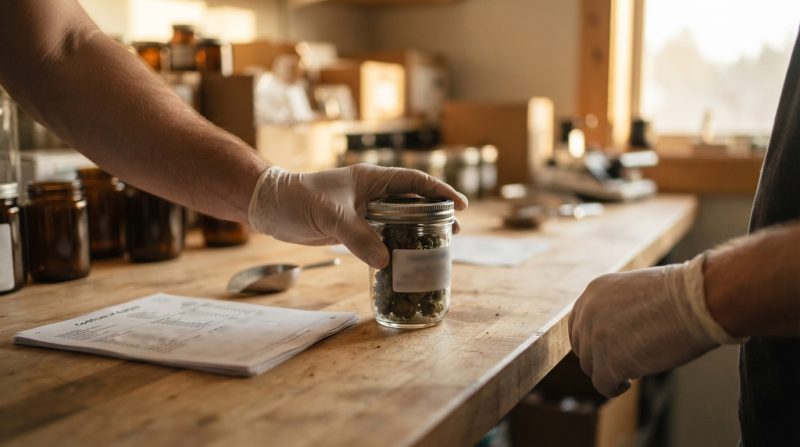
A Certificate of Analysis is the single most reliable signal of product quality and legal compliance. Before buying, check that the seller publishes a COA for the specific batch you are ordering, not a generic sample report.
A trustworthy COA should confirm:
-
Delta-9 THC concentration below the 0.3% federal threshold
-
THCA percentage, which determines potency once heated
-
Screening for pesticides, residual solvents, and heavy metals
-
A visible test date and batch or lot number tied to the product
Sellers who treat this as standard practice, rather than an afterthought, tend to have consistent sourcing and trimming processes behind the scenes.
Matching Products to State Hemp Laws
THCA legality is not uniform, and shipping restrictions change based on where you live. Some states treat hemp-derived THCA like any other compliant hemp product and allow open retail sales, while others cap potency, restrict smokable flower, or ban THCA outright regardless of its delta-9 percentage. Before ordering, confirm whether your state currently allows hemp-derived THCA delivery, since a seller’s shipping policy should reflect those restrictions rather than ship everywhere by default.
|
Buying Scenario |
What to Check |
Red Flag |
|---|---|---|
|
Flower or pre-rolls |
Batch COA with THCA and delta-9 levels, hand-trim detail |
No lab link on product page |
|
Concentrates (wax, shatter, badder) |
Purity and potency testing, clear texture description |
Vague “lab tested” claim with no document |
|
Vapes |
Ingredient disclosure, hardware safety info |
No third-party verification at all |
|
Bulk orders |
Consistent COA across every unit in the batch |
Single COA used for an entire product line |
What Separates a Dependable Online Seller
Beyond lab results, a few operational details tend to separate serious hemp retailers from low-effort storefronts.
-
Sourcing transparency. Listings should state where the hemp was grown and whether flower is hand-trimmed, since mechanical trimming can affect both appearance and shelf life.
-
Product tier clarity. Reputable flower sellers often separate inventory into tiers, such as premium, mids, and value flower, so pricing lines up with potency and strain quality instead of guesswork.
-
Format variety with the same standard. Whether you are shopping flower, concentrates, or vapes, the same testing and sourcing standard should apply across every format, not just the flagship product.
-
Shipping and packaging policy. Discreet, unbranded packaging paired with a published COA signals a seller treating compliance as a baseline, not a selling point.
Industry guidance from hemp law trackers also recommends checking state-specific restrictions before every order, since rules can differ even between neighboring states and may change with little notice. For a broader look at how federal hemp policy is shifting heading into 2026, the Congressional Research Service brief on the hemp definition change offers useful background on what the new total-THC standard means for consumers and sellers alike.
FAQ
Is THCA legal to buy online right now? Federally, hemp-derived THCA products testing below 0.3% delta-9 THC remain legal under the 2018 Farm Bill framework, though this is scheduled to change once the new total-THC definition takes effect. State laws vary, so legality also depends on where the product ships.
What does a Certificate of Analysis actually prove? A COA confirms a specific batch’s cannabinoid content and screens for contaminants like pesticides and heavy metals. Without one tied to the exact product you are buying, potency and safety claims are unverifiable.
Does hand-trimmed flower matter for quality? Hand-trimming typically preserves trichomes and terpene structure better than machine processing, which can affect flavor, aroma, and shelf stability. It is one of several sourcing details worth confirming before purchase.
How do I know if THCA ships legally to my state? Check your state’s current hemp statute or a recently updated legal tracker, since restrictions range from full retail access to dispensary-only sales to outright bans. A seller’s own shipping policy should reflect those limits.
Choosing dependable THCA products online is less about brand names and more about whether a seller can show its work: batch-level lab results, clear sourcing, and shipping practices aligned with current law. Luminate publishes Certificates of Analysis for its hemp-derived flower, concentrates, and vapes, and outlines state-by-state shipping guidance for shoppers comparing options before they buy.